A major national park in northern Japan famous as a sort of cold-weather Everglades is set for a major expansion and new rules to better manage and attract tourists.
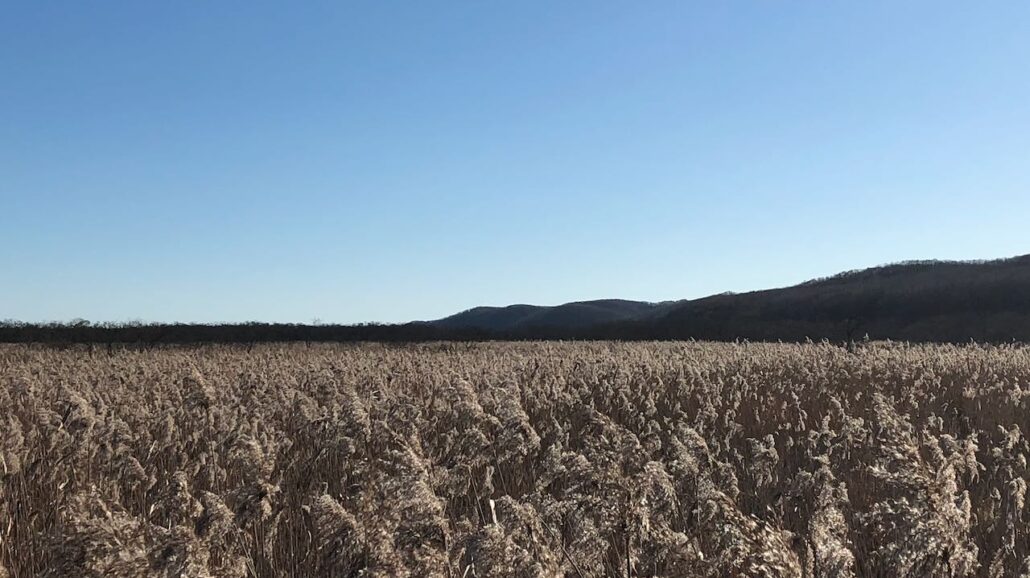
Kushiro Shitsugen National Park is found in the southeastern corner of the island of Hokkaido. The park is Japan’s largest wetland and home to numerous important species, in particular the red-crowned crane, Japan’s famous ‘dancing cranes.’
The park, which borders the community of Kushiro, spans more than 28,000 hectares. Now, Japan’s Ministry of the Environment has submitted a plan that proposes expanding the park’s area by more than 2,400 hectares.
The expansion plan, if carried out, would increase Kushrio Shitsugen’s area to just over 31,000 hectares. That equates to 120 square miles, which is about 2.5 times the size of San Francisco, or the equivalent to over 91 New York Central Parks.
The ministry’s proposal will have to undergo an extensive review process. The plan calls for expanding the park through the acquisition of additional wetlands and forests in the region. Lands once used for agriculture have been abandoned in the region surrounding Kushiro Shitsugen as the regional population has declined.
Lands now part of the city of Kushiro and Tsurui, a village popular with tourists wishing to see the red-crowned cranes. The ministry says lands it is eyeing for incorporation into the park are already ecologically similar to the park itself, meaning minimal work will be required to fold these lands into park management and regulations.
Japan’s government has also spent years restoring upstream rivers that flow through the park to their natural state, improving the ecosystem’s regulation of flooding and silt. Expanding the park’s boundaries could inspire similar wetland and ecosystem restoration initiatives, either by governments or local nonprofit organizations.
Stronger protection for sensitive habitat
The Japanese government plan for Kushiro Shitsugen involves more than expanding the park’s boundaries. The park is already governed by special zoning restrictions and management rules. These would be expanded and strengthened.
The area governed by the park’s most restriction protection rules would be expanded nearly 10-fold, from 732 hectares to more than 7,000 hectares. The ministry also wants to add new areas to less restrictive conservation ordinances, or so-called second-class and third-class special protection zones.
Registered under the United Nations’ Ramsar Convention on Wetlands, Kushiro Shitsugen is one of Japan’s most important natural wonders. In addition to being a permanent home for Japan’s red-crowned cranes, the wetlands of East Hokkaido also harbor the rare Ezo salamander, one of the world’s largest salamander species.
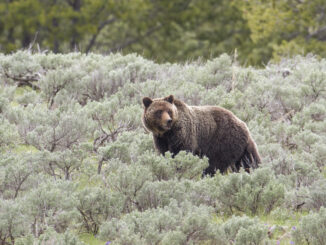
The national park is a unique ecological mix of hardwood forests, grasslands, bogs, and peatlands. Japanese brown bears, or higuma, are known to reside in the forests surrounding the park. Kushiro Shitsugen was the first major wetland Japan registered under the Ramsar Convention.
Restoration efforts have included steps to reduce the incursion of hardwood alder forest into the natural wetland area, a problem that was caused by the disturbance of rivers and streams running into the park.
Tourism regulations
The ministry is also proposing a major overhaul of rules governing tourism in Kushiro Shitsugen National Park.
New rules will prioritize low-impact tourism, which means restrictions on motorized transportation.
Canoeing and kayaking through the park is already very popular. The new rules would encourage this mode of exploration over motorized boat traffic. In addition, the ministry is proposing expanded access for hiking, mountain biking, and horseback riding. The government even wants to build an equestrian facility in Tsurui and enhanced boat access in Shibecha.
Guided hikes and other supervised activities are on order, as well. Guides would help visitors to understand the park’s unique ecology and the habits of the native species there.
The ministry is also proposing tighter restrictions on access to some areas. Some parts of the park would only be accessible to visitors accompanied by a licensed guide.
Total visitor numbers would be capped daily, and visitors would be charged entrance fees. Japan’s national government has spent years trying to devise a way to beginning charging for access to all of its national parks. Most of the parks were formed long after roads and communities were established in the regions, meaning a lot of the parks can be accessed for free.
The ministry also plans to carve out rules to allow for local conservation groups and nonprofits to help contribute to the park’s management and protections.
A decision coming in 2027
The proposal, if passed, would mark the first major change to Kushiro Shitsugen National Park since it was first established in 1987.
The park is subject to periodic government reviews. The new plan was inspired by a review taken in April 22 in accordance with Japan’s Natural Parks Act.
A public comment period for the new proposals closed last week. Next, a summary of public comments will be released sometime in December.
A final decision on the park expansion and renewed management plan could come as early as March 2027.
Park Info
Park:
Crater Lake National Park
Location:
Oregon, United States
More information:
https://www.env.go.jp/nature/nationalparks/list/kushiro-shitsugen/