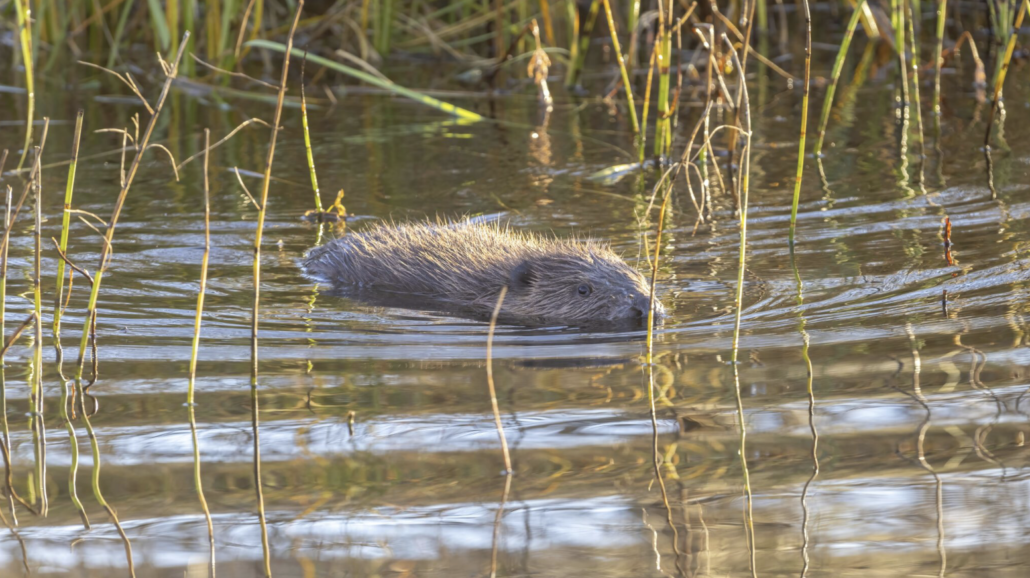
Conservation authorities have released a family of beavers to the Loch Ness region of Scotland.
The release of six beavers marks the first time in some 500 years since the species has resided there.
The release, which happened in early November, occurred at a 10,000-acre estate in Glenmoriston. The beavers were relocated from other parts of Scotland; thus, they are native to the country.
The animals’ release also marks the beginning of the Ness Beaver Project, an initiative by the government’s Forestry and Land Scotland office and the nonprofits Trees for Life and Beaver Trust.
The release into the region of Loch Ness occurred under the authority of the conservation agency NatureScot, which issued the license authorizing the beavers’ relocation.
The Ness Beaver Project aims to eventually relocate a total of 15 beaver families to the lochs, rivers, and small lakes within the Loch Ness region over three years.
Beavers were once common throughout Scotland but were hunted to near extinction hundreds of years ago. Now, Scottish authorities are undertaking an ambitious plan to restore native wildlife to the country, beavers included.
It’s a way of correcting a devastating mistake. Beavers are engineers of healthy ecosystems. The dams they build create wetlands that become feed and breeding grounds for multiple different species.
North America is believed to have been home to millions of forest wetlands before hunters decimated beaver populations.
Where there are healthy populations of beavers, you find large populations of frogs and other amphibians, birds, bats, dragonflies, and more.
The wetlands beavers make also prevent damaging floods and improve soil health and water retention, leading to more green space. Beaver restoration is a sound way to mitigate against climate change, particularly against droughts.
“Beavers are reclaiming their place in our rivers and wetlands,” said Alan McDonnell, a nature restoration leader at Trees for Life, said in a release.
The group believes more beavers in the region will also attract ecotourists, benefiting the regional economy.
The release is just the first step. Project managers will have to monitor the beavers, to see how well they take to their new home. They must also take steps to minimize conflicts that might arise, particular with farmers and landowners.
Officials at Trees for Life and Beave Trust say they stand ready to provide support to locals and to keep the restoration project moving forward. That will include wildlife monitoring and helping to mitigate damages that landowners may see, given beavers’ fondness for felling trees.
Park Info
Park:
Loch Ness
Location:
Scotland, United Kingdom
More information: https://beavertrust.org/historic-return-of-beavers-to-waters-around-loch-ness/