More national, provincial, and state parks and protected marine areas are urgently needed to protect biodiversity and arrest an ongoing extinction crisis. But conservationists need to find better ways to link or tie these zones together to ensure long-term sustainability.
That’s the conclusion of a study that looked at over 6,000 conservation zones around the world and what contributed most to success. Researchers found that the area under protection helps wild fauna and flora greatly, but migratory zones between them equally mattered, providing more evidence of the importance of connectivity in conservation and biodiversity protection.
The research examining 6,234 protected areas in 14 countries was published by scientists at Australia’s Monash University in the journal Nature Ecology & Evolution.
In the new paper, the authors tout the benefits of ‘other effective area-based conservation measures’ or OECMs in promoting biodiversity conservation.
They agree that setting aside land under full conservation measures, such as the establishment of a national park, is greatly beneficial for species survival, but argue that there are many different levels of protection that can encourage greater connectivity, effectively expanding habitat availability and increasing chances of species survival.
They’re offering their findings as food for thought for government conservation officials hoping to contribute to the global United Nations-sponsored goal of setting aside 30% of the world’s land area for species protections by 2030, or the ‘30 x 30’ goal.
“Our analysis provides a global assessment of how OECMs strengthen conservation networks and offers simple, policy-relevant insights into how to maximize the benefits of area-based conservation as countries pursue the 30 × 30 target,” the authors said.
In their assessment, they took at look at the benefits of OECM’s abutting officially conserved areas like formally designated parks compared to the conservation benefits seen when OECMs are merely located nearby, but not adjacent to, formally protected zones.
Of the more than 6,200 OECM sites they examined, 27% bordered formally protected regions, while 67% were in the same area but not connected.
The researchers say they found superior species protection at those locations where OECMs and formally protected biosphere zones were connected.
And the fact that 67% of identified OECMs are near officially protected regions points to an enormous potential for dramatically improving protections on wildlife and wild plants.
They also discovered many more opportunities for expanding OECM coverage, arguing there is potential to add more than 1,000 OECMs to the network of conservation zones, effectively expanding habitat created by formally designated parks and protected areas.
The research team also urges conservation officials to factor in connectivity when designing or planning new formally protected regions.
“Protecting 30 per cent of the planet is an important ambition, but the number alone doesn’t tell us whether we’re protecting biodiversity effectively,” said Monash University Associate Professor Carly Cook.
“We need to look beyond how much land or sea is conserved and ask whether these areas work together to support species and ecosystems,” she said.
Habitat loss and habitat fragmentation by urban growth and road building is the number one factor behind declines in biodiversity and sharply lower populations of wild animals.
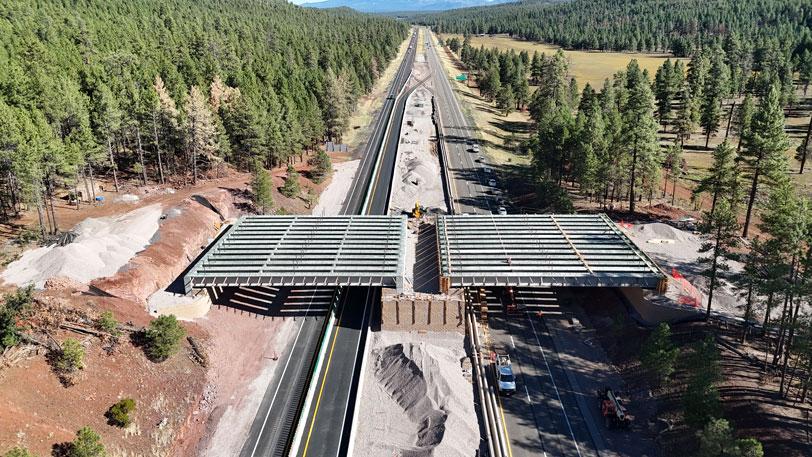
The Monsash study is a reminder that simply drawing lines of protection around the remaining pockets of nature will not be enough to save many threatened and endangered species. More must be done to connect these protected regions or develop ways for wildlife to migrate between them.
Park Info
Park:
Global protected parks
Location:
Worldwide
More Information: