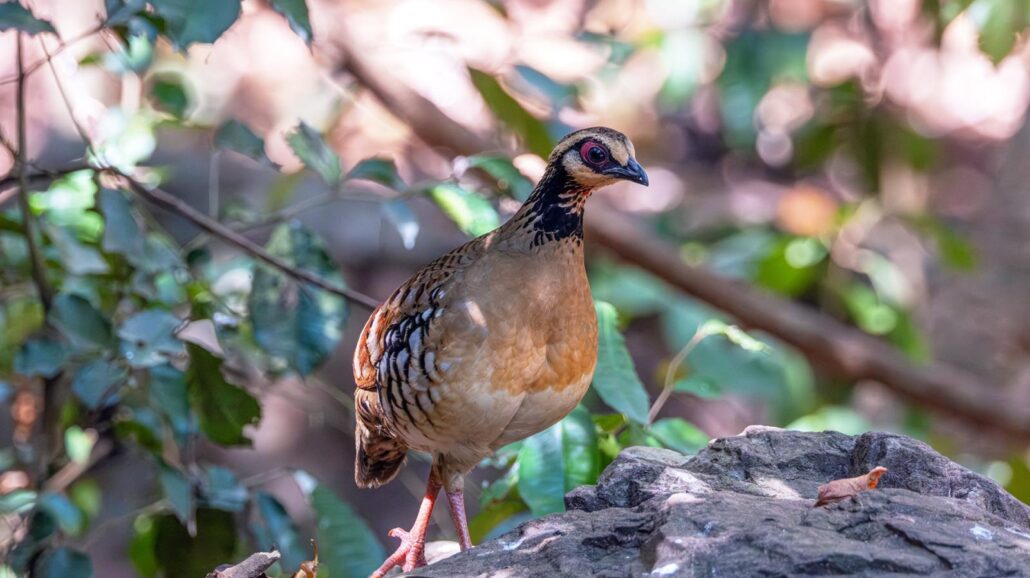
Wildlife-friendly ecotourism initiatives may still chase wildlife away, according to new findings from research in northern Laos.
The researchers’ conclusions are surprising and call into question how ecotourism wildlife preserves should be established and managed.
Laos’ Nam Ha National Protected Area was the subject of the investigation. The study covered most of the Nam Ha National Protected Area, located in Laos’ north. The wildlife preserve was established to combat wildlife poaching/hunting, with the hope that the government and locals could make money by encouraging ecotourism instead.
Researchers say the purpose behind the park’s establishment may be noble, but they argue that initiatives to bring tourists into the tropical zone to view wildlife seem to have scared the animals away, just as if the human visitors were hunters. The controversial conclusion was published in the journal Global Ecology Conservation.
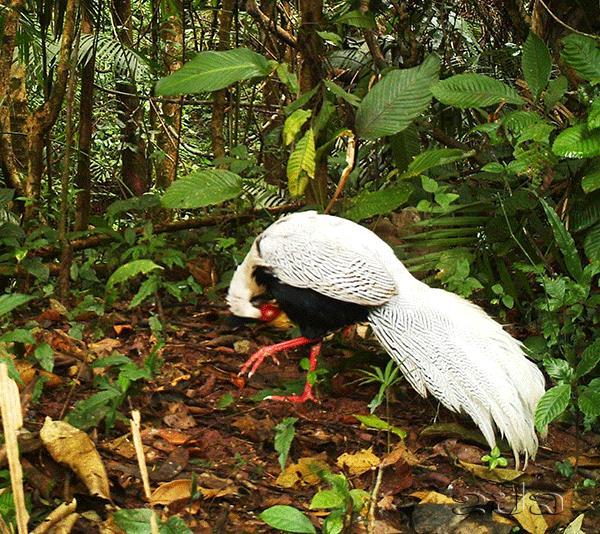
The investigation involved 59 camera traps set up across the region in question. The cameras gathered data on wildlife sightings from 2013 to 2019 and recorded the presence of 45 species of a range of sizes. Some 15 of the species recorded are classified as threatened by the International Union for Conservation of Nature (IUCN).
Evidence that tourists are scaring the animals away comes from where the camera traps encountered animals most frequently. Cameras positioned in regions of the forest well away from trail and kayak routes used regularly by tourists encountered twice as many animals as did those cameras that were set up close to those zones frequented by humans.
The researchers say their findings are conclusive—there’s no evidence the animals are distinguishing the tourists from hunters.
“The models consistently indicated no support for the hypothesis that tourism created a refuge from fear,” they wrote. “Instead, the data is consistent with the alternative hypothesis that wildlife avoided routes used for wildlife-friendly tourism.”
Nam Ha has been home to a community-managed wildlife tourism and ecotourism zone since 1999. Like other such initiatives, the wildlife refuge and ecotourism zone was set up as a means for locals to earn money by guiding tourists to view tropical wildlife, as opposed to trapping or hunting the native fauna, whether for food or for trafficking to illegal international markets.
Despite the effort, the data collected by the camera traps strongly suggested wild animals in this park prefer peace and quiet, areas devoid of humans entirely.
Asian elephants, sun bears, sambar deer, wild boards, and mongoose were among the species associated with sightings in more remote areas of the park where tourists hardly ever or never tread.
The paper does not argue that establishing eco-preserves do nothing or effectively harm the wildlife present. Rather, the authors say their findings suggest these protected areas need to be better designed and managed.
Ideas include restricting the number of visitors to these areas, or better concentrating visitors while maintain larger quiet zones, a way to possible encourage the animals to get close enough for visitors to witness them quietly.
Protected zones for ecotourism can be valuable ways to generate incomes for rural communities where economic opportunities are limited. However, this paper suggests conservation tourism initiatives need to conduct a lot of preliminary research to determine if these areas can accommodate tourists, and how they might be altered to allow human tourists and wildlife to occupy the same areas at the same time.
Far more research is needed from other conservation zones to gather the data necessary for park managers to begin making those calls, the authors conclude.“To limit the impacts of the presence of tourists on wildlife, tourism routes should be carefully planned by protected area managers and the tourism sector to avoid key areas where threatened species occur,” they said. “The routes should be regularly revisited and adjusted based on evolving understanding of wildlife distribution and threat, which can be revealed by continuing monitoring with camera trapping and other approaches.”
Park Info
Park Name:
Nam Ha National Protected Area
Location:
Laos
More information:
https://www.sciencedirect.com/science/article/pii/S2351989426003094?.com