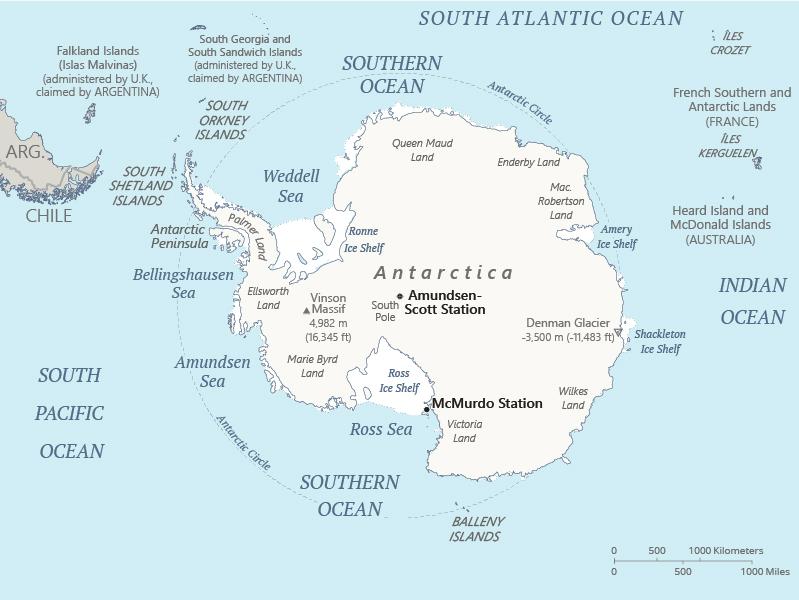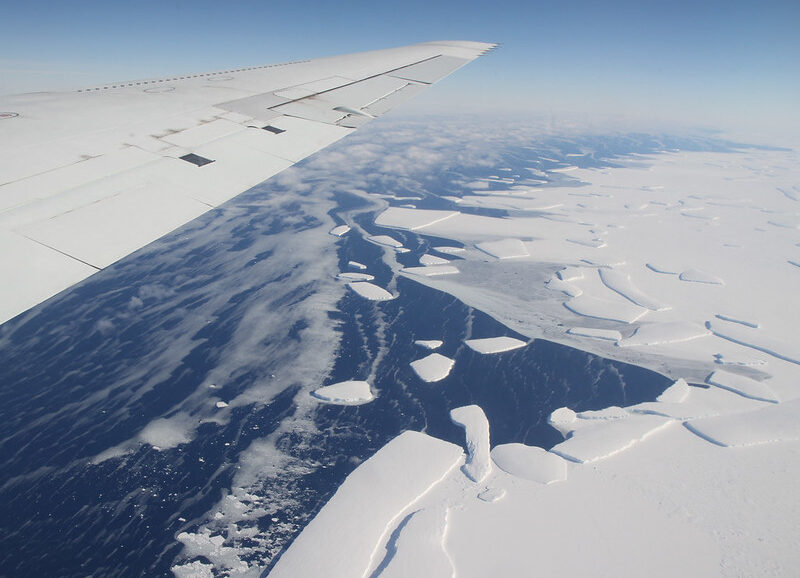
Rising temperatures threaten irreversible changes in Antarctica, threatening everyone.
That’s the warning that scientists recently put out in a report published in Nature. In it, they lay out the case for why rising greenhouse gas concentrations in the atmosphere could lead to a rapid transformation of Antarctica’s environment, changes that wouldn’t please anyone living along the coast.
“The West Antarctic Ice Sheet (WAIS) is at severe risk of collapse as global atmospheric carbon dioxide levels continue to rise,” the scientists said in a review of their findings. “The collapse of the WAIS would raise sea levels by more than three meters, threatening the world’s coastal cities and communities.”
The study was conducted by researchers at the Australian National University and the University of New South Wales.
The research was designed to align with planning for the 2025-2035 Australian Antarctic Science Decadal Strategy, published now.
The strategy outlines Australia’s priorities for Antarctic research over the next ten years. It may also be controversial and difficult for other governments to cooperate with.
A top priority laid out in the document is the maintenance of Australia’s “sovereignty over the Australian Antarctic Territory” and adjacent waters. Major governments including the United States, China, and Japan do not recognize any nation’s territorial claims over Antarctic. The international Antarctic Treaty also freezes all such claims.
However, comforting climate change remains a top priority in the document and for the scientists issuing this most recent warning.
Professor Matthew England warns that the potential collapse of major ice shelves would not only swamp coastal cities, but it would also threaten the existence of iconic Antarctic species.
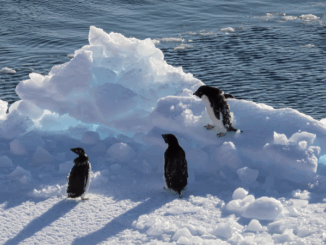
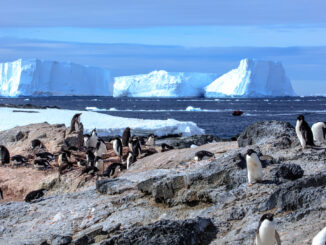
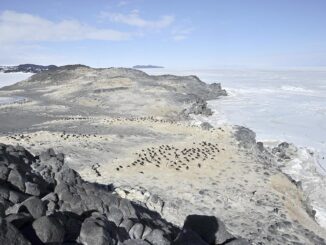
“The loss of Antarctic sea ice brings heightened extinction risk for emperor penguins, whose chicks depend on a stable sea ice habitat prior to growing their waterproof feathers,” Professor England explained in his assessment of the new findings. “The loss of entire colonies of chicks has been seen right around the Antarctic coast because of early sea ice breakout events, and some colonies have experienced multiple breeding failure events over the last decade.”
England also expressed concern that sea ice and shelf ice melting could disrupt Antarctic currents and put a halt to the recycling of nutrients from the ocean bottom to the surface.
Australian Antarctic Division chief scientist Dr. Nerilie Abram worries that the collapse of the West Antarctic Ice Sheet threatens “catastrophic consequences for generations to come.”
Park Info
Location:
Antarctica
More Information: