Eleven new sites of natural wonders could soon join the list of UNESCO-sanctioned Global Geoparks, a designation just below its famous World Heritage Site status.
A selection committee at the Paris-based United Nations Educational, Scientific, and Cultural Organization recently announced that it has identified 11 new natural settings that it feels would make for ideal Geoparks. The Global Geopark designation marks a UN-backed seal of approval for local attractions and often leads to increased tourism and enhanced protections at these locations.
Critically, the international organization is proposing to add to its list of Geoparks three sites located in countries that have yet to join the list of nations hosting UNESCO Geoparks.
Should the proposals pass the selection committee’s criteria, then Cuba, Namibia, and Ethiopia will enter the ranks of Geopark countries for the first time.
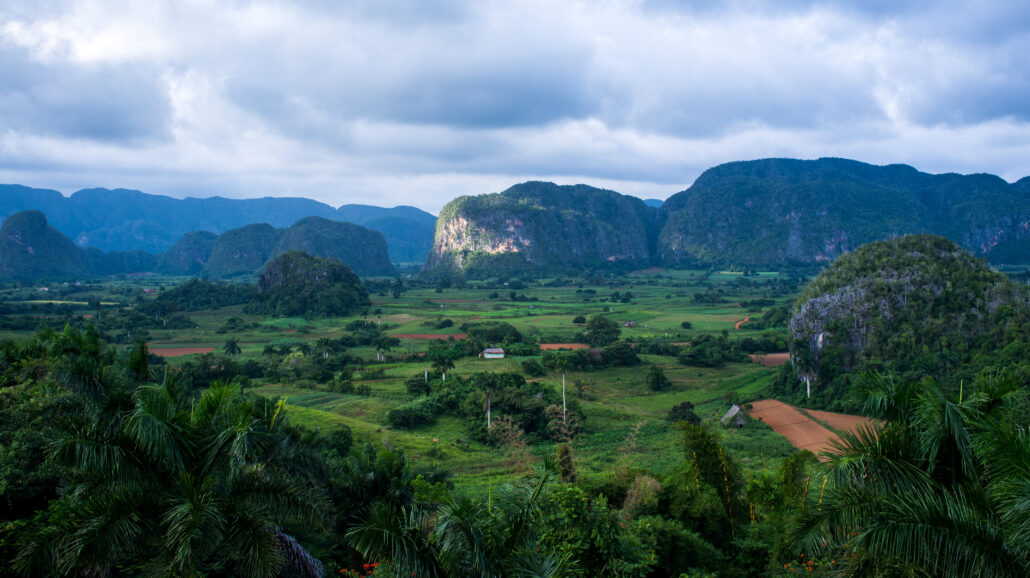
New possible Geoparks for these three countries include Valle de Viñales in Cuba, a stunningly beautiful karst valley popular with hikers; the Nama-!Garib scenic region in southern Namibia along the Orange River; and the Central Ethiopia Rift Valley.
UNESCO is also proposing to sanction new Global Geoparks at natural and scenic locations in Canada, France, Chile, Thailand, the United Kingdom, and Indonesia.
The recommendation put forth by the UNESCO committee this month is an important step in the process, but there are more hurdles ahead.
The UNESCO Executive Board must review the proposals and issue its findings for the process to be complete, clearing the way for park managers and conservationists to use the title of Global Geopark and UNESCO’s endorsement in their marketing materials.
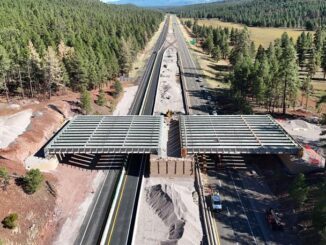
Further complicating the picture, two of the sites were earlier considered but did not win final approval. A scenic gorge along the Niagara River in Canada, and Khon Kaen, a popular geological wonder in Thailand where many dinosaur fossils were found, are once again up for Geopark consideration, having been previously deferred for consideration.
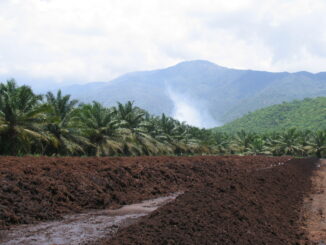
Other sites that are up for consideration as the newest Global Geoparks before the UNESCO Executive Board include Bojonegoro in Indonesia, Charnwood Forest in the UK, La Hague in France, and Pillanmapu in Chile.
If all are selected, then UNESCO’s network of Global Geoparks will expand to 252 sites, up from 241 today.
‘Geopark’ signifies more than just a pretty area to visit for hiking or nature photography.
The UNESCO label implies a region of unique geographical and geological features that make a site stand out from others and worthy of global recognition.
As is the case when a location is designated as a World Heritage site, the UNESCO Global Geopark designation draws greater attention and scrutiny to a region of unique natural beauty. Better management and conservation usually follow, as does an uptick in tourism.
Entire local industries can be built around Geopark tourism, management, education, research, and conservation, often giving local economies a boost as well. Thus, the label is highly sought after, particularly by communities near smaller natural wonders that would likely never be up for consideration as World Heritage Sites.
Visitors also gain from a site winning the Global Geopark region. Where they were previously left alone for interpretation, a Geopark designation encourages local authorities to better interpret the natural and cultural significance of these sites and their histories, and then produce educational materials that can significantly enhance the visitor experience.
UNESCO’s Executive Board is expected to make its final determination on these 11 proposed new Geoparks sometime in spring 2027. But even winning the status of ‘proposed’ Geopark should boost interest in these natural wonders.
Park Info
Park:
Global protected parks
Location:
Worldwide
More Information: